
Scoping multi-species genotyping for genome-environment association study
Project lead Prof Richard Buggs | Royal Botanic Gardens, Kew
Lead organisation Royal Botanic Gardens, Kew
Collaborators N/A
Project status Pilot year project completed
Project funding £162,000
Research outcome Adaptation
Context
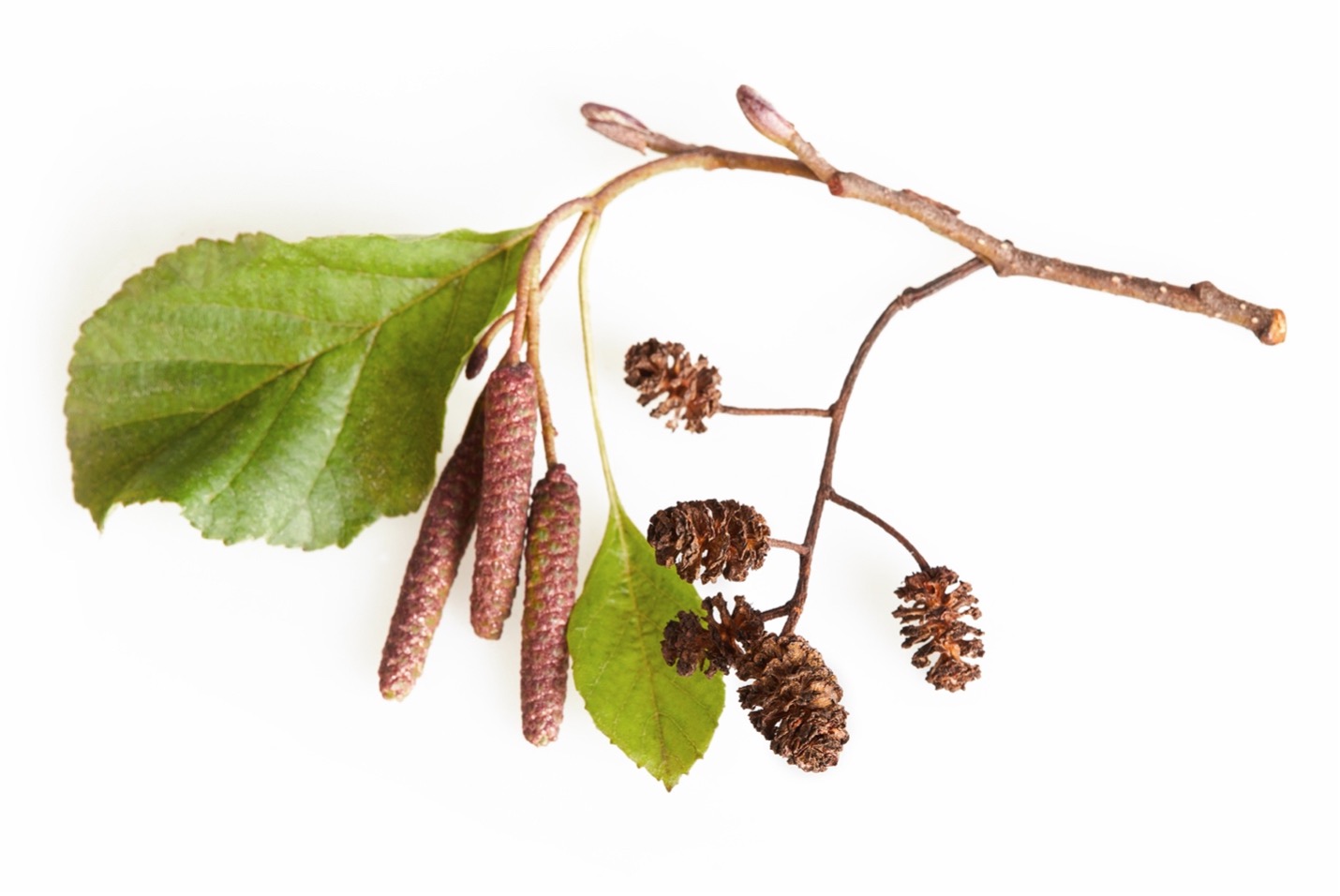
This pilot project will germinate and generate genome-wide single nucleotide polymorphism (SNP) data for around 1,500 seedlings from 2–3 species of tree that have been banked under the UK National Tree Seed Project (UKNTSP) that have short germination times, such as downy birch (Betula pubescens) and silver birch (Betula pendula).
The population structure of each of the target species’ UK distribution will be analysed and interpreted with reference to the history of colonisation and planting in the UK. We will carry out genome-environment association (GEA) studies to seek genes involved in local adaptation.
Expected outcomes
This project will deliver:
- UK-wide, publicly available genome-wide SNP data for 2–3 UK broadleaved tree species.
- A report and assessment of the degree of local adaptation in UK populations of these species and suggestions as to how these data could inform seed sourcing for tree planting projects.
Further resources linked to this project
Pilot Project Summary Report: Scoping multi-species genotyping for genome-environment association study (Published: 25 February 2025)
UK woodlands need to adapt to a warming climate, which may disrupt existing patterns of local adaptation. We need to make careful choices about the sources of seeds in order to plant resilient woodlands. To do this, we need to understand the genetic basis of adaptation within tree species.
The aim of this project was to identify genetic variations in collections of UK birch and alder seeds that are associated with possible adaptations to different local environments.
CFP Phase 1 Project (2022-2025)
This research was built upon in CFP Phase 1 project: Understanding the genetic basis of silver birch adaptation to local environments and disease.
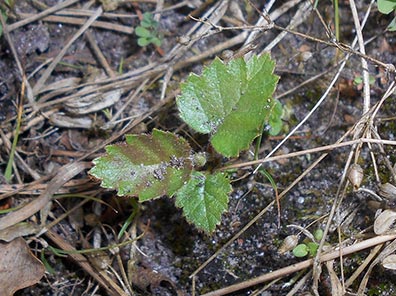
Silver birch (Betula pendula) seedling.
Glossary & Key Terms
Broadleaf/Broadleaved
A category of trees that have wide, flat leaves rather than needle-like leaves. These trees are usually deciduous and lose their leaves in winter.
Downy birch (Betula pubescens)
Fast‑growing deciduous broadleaf trees of the genus Betula, specifically Betula pubescens, native to Britain and valued as pioneer species that readily colonise open and wet ground, particularly on moist or peaty soils, helping to establish woodland and support biodiversity. For more information, see Downy birch (DBI) - Forest Research.
Genome
Genome-environment association (GEA)
The statistical relationship between genetic variations (genotypes) and environmental factors. It is a method used to study how organisms adapt to their local environments by identifying specific genes that are associated with particular environmental conditions.
Local adaptation
When populations evolve genetic differences that make them better suited to the specific environmental conditions of their local area, compared to individuals of that species from other areas.
Silver birch (Betula pendula)
Fast‑growing deciduous broadleaf trees of the genus Betula, specifically Betula pendula, native to Britain and recognised by their white peeling bark, light crowns, and important role as pioneer species that quickly colonise open ground and support woodland biodiversity. For more information, see Silver birch (SBI) - Forest Research.
Single nucleotide polymorphism (SNP)
A variation at a single position in a DNA sequence among individuals.
UK National Tree Seed Project
Kew launched the UK National Tree Seed Project (UKNTSP) in 2013. The project collected and stored seed from native trees and shrubs throughout the UK. Multiple collections were being made, right across the native range of each species, in order to develop genetically representative collections in the Millennium Seed Bank (MSB). Over 10 million seeds have been successfully stored. For most of these collections each mother tree was georeferenced, and their seed stored separately. For more information, see UK National Tree Seed Project (Legacy) | Kew.
Share this project on social media
Related Projects
Our partners




Social media
Explore
Newsletter
Contact us
© 2026 Centre for Forest Protection. All rights reserved.