In a new Centre for Forest Protection study published today (27 Aug 2025) in the journal Evolutionary Applications, scientists from the Royal Botanic Gardens, Kew, and Forest Research, present a detailed analysis of the genetic diversity and comparative tree health of young British woodlands, revealing the pros and cons of planting versus natural colonisation.
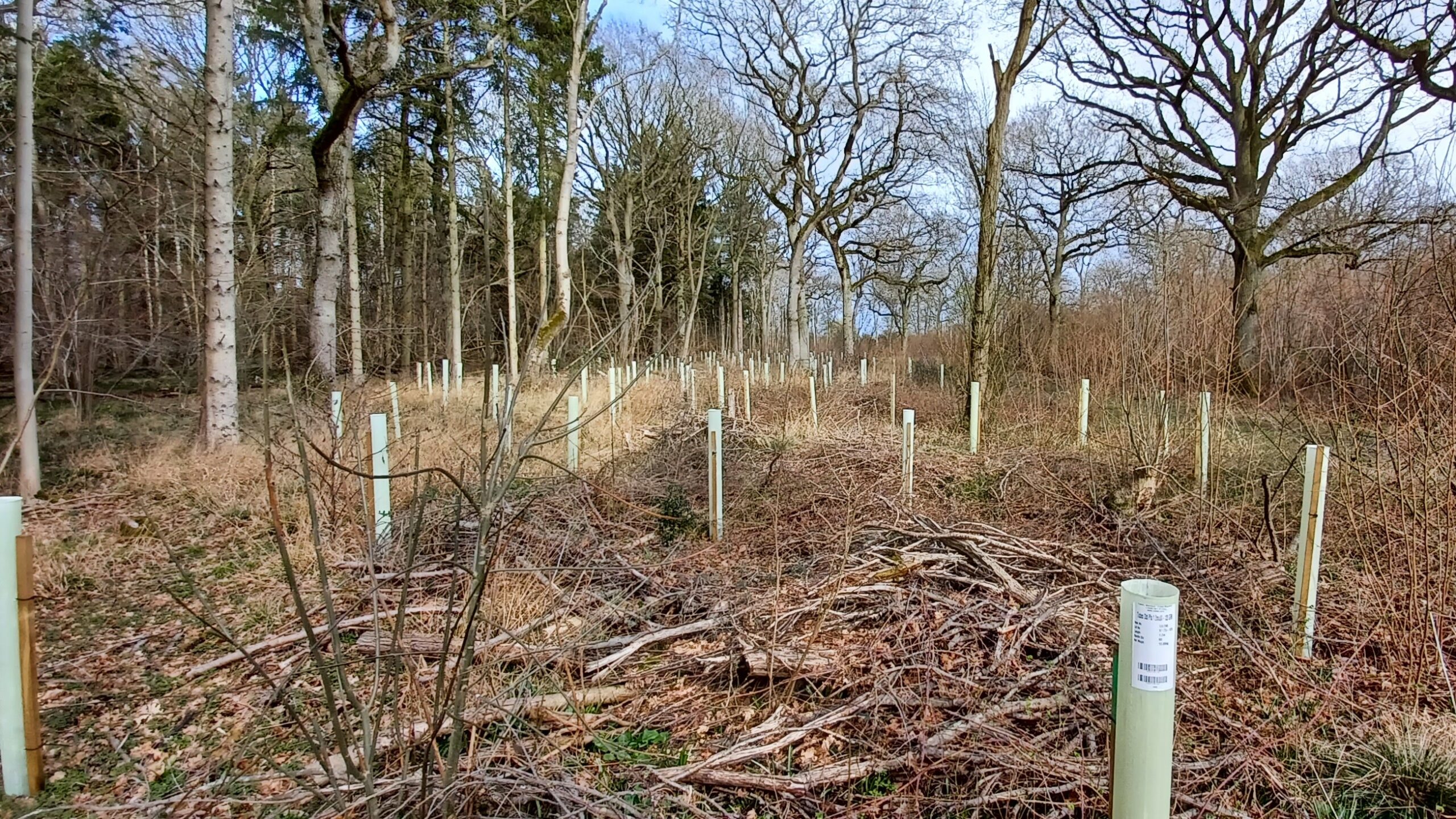
Kew and Forest Research scientists looked at sites with naturally colonising and planted English oak and silver birch to compare young tree condition and assess the small differences in DNA between tree populations. Genetic diversity is crucial if the UK’s forests are to thrive, as although many trees will undoubtedly fail, some will have the built-in resilience to pathogens and stressors like drought that can be passed on to future generations.
Read the press release from Royal Botanic Gardens, Kew here: New study compares benefits of tree planting vs natural colonisation for future resilience of UK woodlands | Kew.
Access the journal article here: Genetic Consequences of Tree Planting Versus Natural Colonisation: Implications for Afforestation Programmes in the United Kingdom – Friis – 2025 – Evolutionary Applications – Wiley Online Library.
Find out what this research means for policymakers and practitioners here: Policy and Practice Note: Genetic Consequences of Tree Planting Versus Natural Colonisation – Centre for Forest Protection.
For more information on this research project, please see: Evaluating genetic and environmental bottlenecks in planted and naturally colonised woodlands – Centre for Forest Protection.