
Frequently Asked Questions (FAQs)
The Centre for Forest Protection (CFP) is a Defra-funded collaboration, led by Forest Research and Royal Botanic Gardens, Kew, which aims to protect our trees from environmental and socioeconomic threats, through innovative science, interdisciplinary research, expert advice and training.
Why was the Centre for Forest Protection created and what are it’s aims?
The CFP was launched in May 2022, following a commitment made by government in The England Trees Action Plan 2021-2024 to “Launch the Centre for Forest Protection which will enhance the protection and resilience of our trees, woodlands and forests to the threats from pests and pathogens through the provision of evidence, interdisciplinary research and expert advice.”
The main aims of the centre are to:
- Support government forest and tree strategies and the successful establishment of tree planting programmes.
- Improve resilience of the UK’s forests, woodlands and trees.
- Enhance capacity and capability in forest and tree health research, bringing forward the next generation of tree health scientists.
How does the Centre for Forest Protection work?
Phase 1 of the CFP ran from 2022-2025 and involved several key projects including evaluating genetic diversity and health of planted versus naturally colonising woodlands and predicting risks to non-native tree species from potential threats in the UK.
Most of the Phase 1 projects have now concluded their work, and their outputs will be shared via our communication platforms as they are published.
Phase 2 of the CFP launched in April 2025, and the Centre was awarded £4m in Defra funding. This is funding 17 new research projects which all aim to improve tree health and resilience, plus education and training provision.
Where is the CFP based?
The CFP is a virtual centre that has been set up to provide a unique hub and collaborative platform that brings together tree health expertise and experience, from the UK and the rest of the world, in the joint creation of knowledge and research to protect and enhance the future health and resilience of our forests, woodlands and trees.
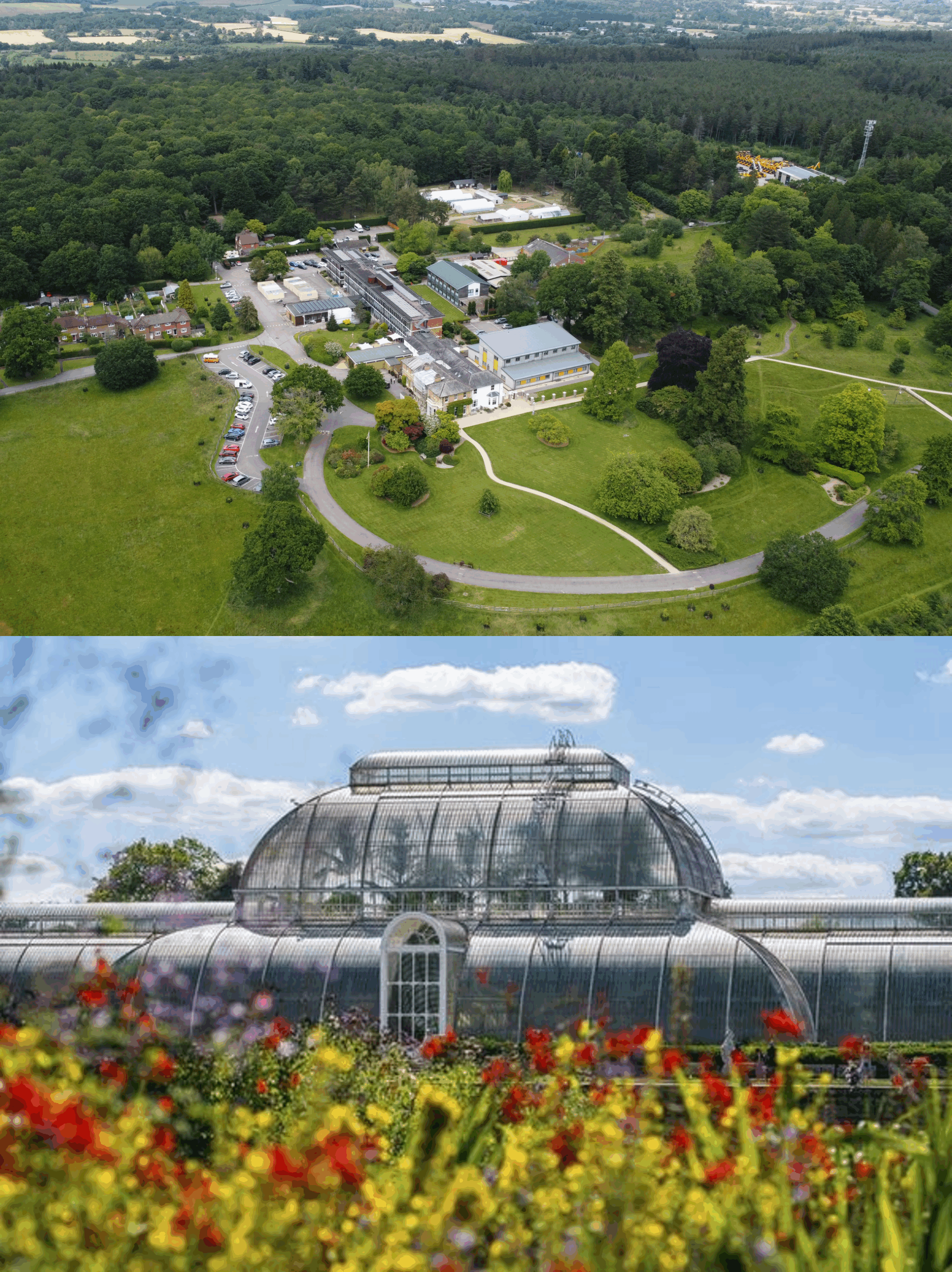
Our Forest Research and Kew Gardens colleagues work from a variety of locations including Alice Holt Research Station, Hampshire (Forest Research), Northern Research Station, Midlothian (Forest Research), Royal Botanic Gardens Kew, Richmond, and Wakehurst, Surrey. Our partners work from a variety of locations both nationally and internationally.
Images: Top: Alice Holt Research Station, Forest Research (C) Forest Research/Nick Moody; Bottom: Palm House, Royal Botanic Gardens, Kew (C) RBG Kew/Ines Stuart-Davidson
What types of research does the Centre for Forest Protection undertake?
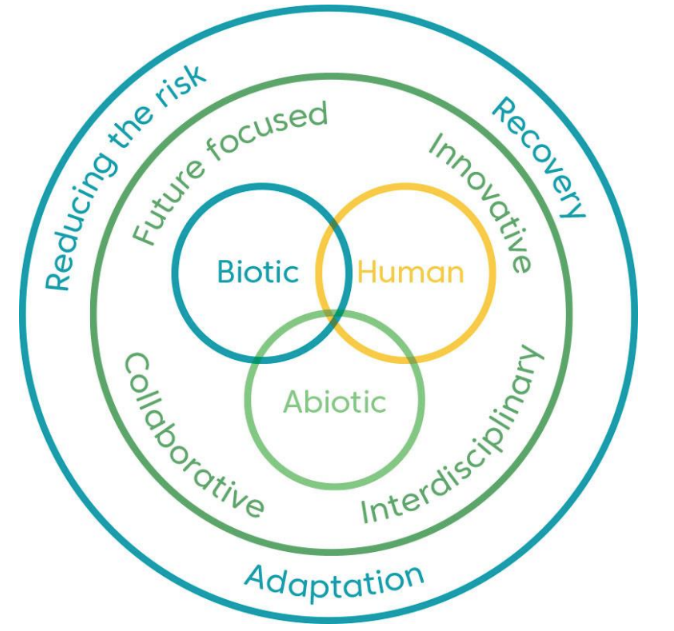
Schematic representation of the Centre for Forest Protection Research Framework.
Our wide-ranging research programme addresses the individual and cumulative impact of current and future threats to our trees, woods and forests, to identify interventions that could increase their resilience and ability to recover and adapt. Our programme’s scope includes biotic, abiotic, and socioeconomic threats and opportunities.
Our research projects seek to build strong collaborations with a wide range of other research organisations, both in the UK and with international collaborators. We are delivering our research programme via projects which are future-focused, innovative, interdisciplinary, and collaborative.
Our active research projects cover a range of topics, from investigating how new DNA technologies can help to breed stronger broadleaved trees more quickly, to developing tools that can predict a tree’s resistance to ash dieback. Each project has a useful summary page on our website.
How many collaborators do you work with?
We are currently working with more than 45 different collaborator organisations across our Phase 2 research projects including universities, research institutes, charities, and government departments. The lead and collaborating organisations for each project are listed at the top of the relevant project webpage.
Where can I find the outputs from Centre for Forest Protection research?
Outputs from CFP-funded research will be shared via our communication platforms, and added to our Knowledge Hub.
The Knowledge Hub promotes the sharing of evidence, expertise and best practice that can help promote the resilience of forests and woodlands. You can find links to resources created by our projects, articles and summaries of our research and links to other useful resources. It serves as a valuable tool for a wide range of users including researchers, practitioners, policymakers, teachers/trainers and students.
We also recommend subscribing to our newsletter, which we use to share the latest outputs, activities and opportunities to get involved!
Which communication channels does the Centre for Forest Protection use?
The CFP uses a variety of communication channels including our website, social media, YouTube, and our newsletter. Please follow/subscribe to be the first to hear about new and exciting news, research, and events!
What types of Education and Training does the Centre for Forest Protection provide?
Our education and training activities are focused on three main areas:
Internships
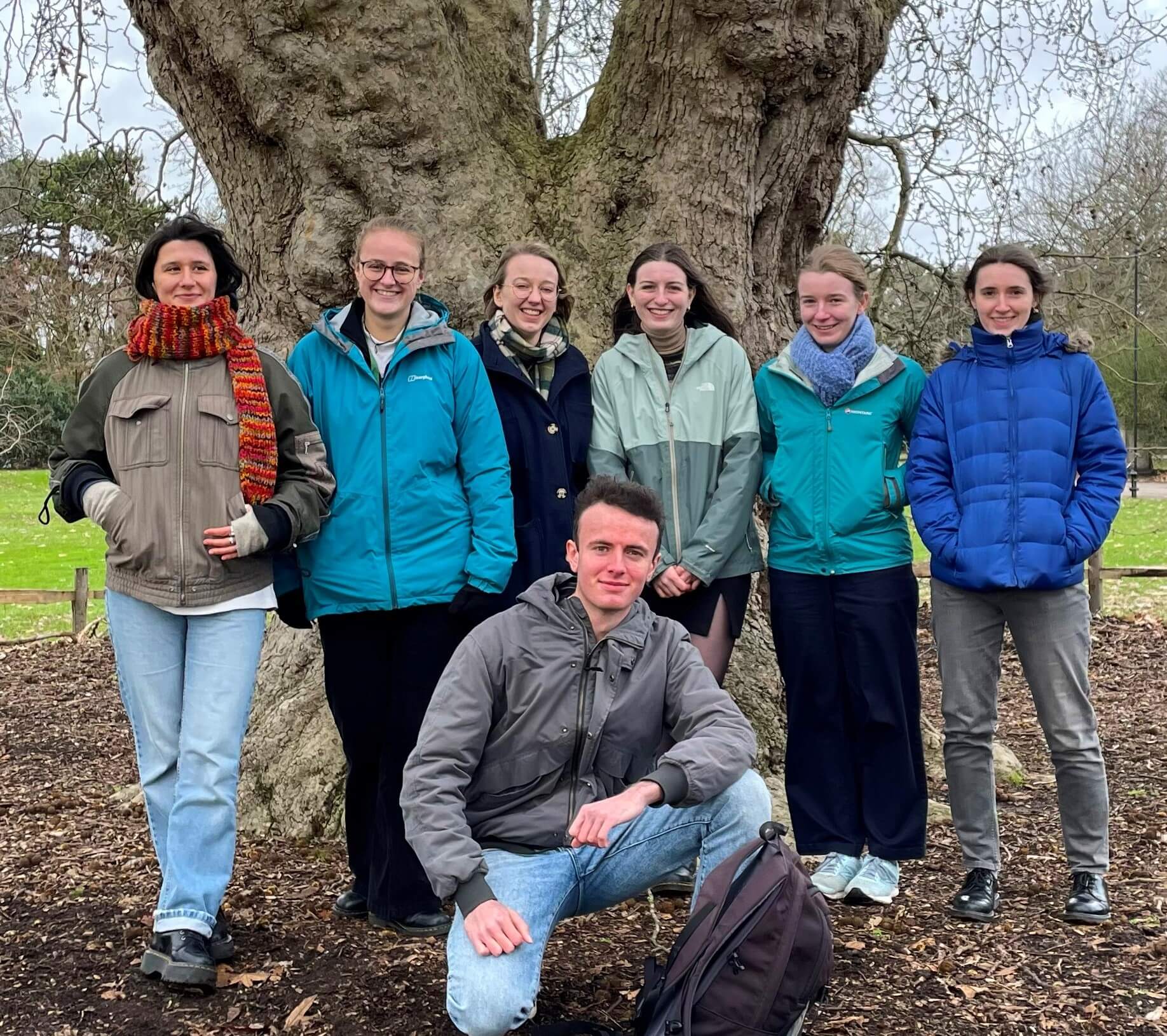
The Centre for Forest Protection internship scheme, introduced in early 2023, aims to nurture the next generation of forest scientists. Interns get to work on a research project with some of our research teams, complemented by additional sessions visiting labs and discussing career options.
Professional and Technical Training
The Centre is developing continuous professional development (CPD) training through e-learning modules focused on the future of forest protection. The goal is to offer valuable and forward-looking training that will increase the skills and knowledge within the forestry sector.
Masters Degree Module
We work in collaboration with Bangor University, ranked No.1 in the UK for Agriculture & Forestry, to deliver the ENS-4311 Forest Protection module as part of the MSc Forestry, MSc Environmental Forestry, and MSc Tropical Forestry postgraduate degree programmes.
Find out more about our Education & Training Programme:
Who manages the Centre for Forest Protection?
How can I contact the Centre for Forest Protection?
If your enquiry has not been answered by these FAQs, or you have questions about how to get involved in CFP activities in the future, please get in touch via our online contact form:
Science & Research
Our science programme will support the UK governments' forest and tree strategies and the successful delivery of tree planting programmes. Research outcomes will also directly contribute to the improved resilience of the UK’s forests, woodlands and trees and help promote enhanced capacity and capability in forest and tree health research.
Our Partners


Social media
Explore
Newsletter
Contact
© 2026 Centre for Forest Protection. All rights reserved.