
Knowledge synthesis: How trees evolve under novel conditions
Context
This project will seek answers to the question of how distinctive attributes of tree genetics affect their resilience, and strategies for reducing risk and recovery; in particular, their effects on how trees win “evolutionary arms races”.
Research aims and objectives
Aim:
Understand how trees evolve in the face of biotic and abiotic threats.
Objectives:
- Produce a comprehensive, transdisciplinary bibliography of how trees evolve and adapt under new and emerging environmental conditions.
- Bring together leading international geneticists for a structured, residential workshop to generate expert insight on how trees evolve under novel conditions.
- Integrate this research and collective expertise into a high-impact review paper.
Expected outcomes
- A comprehensive synthesis and new conceptual framework explaining how trees evolve under novel biotic and abiotic threats, integrating genetics, ecology, and recent advances in genomics.
- A high-impact, multi-author review paper entitled “How trees evolve under novel conditions”.
- Improved understanding of how tree evolution differs from other organisms, clarifying their potential for rapid adaptation and the risks of misinformed policy or management.
- Strengthened scientific consensus and collaboration through expert workshops, producing insights that direct support resilience adaptation, risk reduction and recovery in forestry.
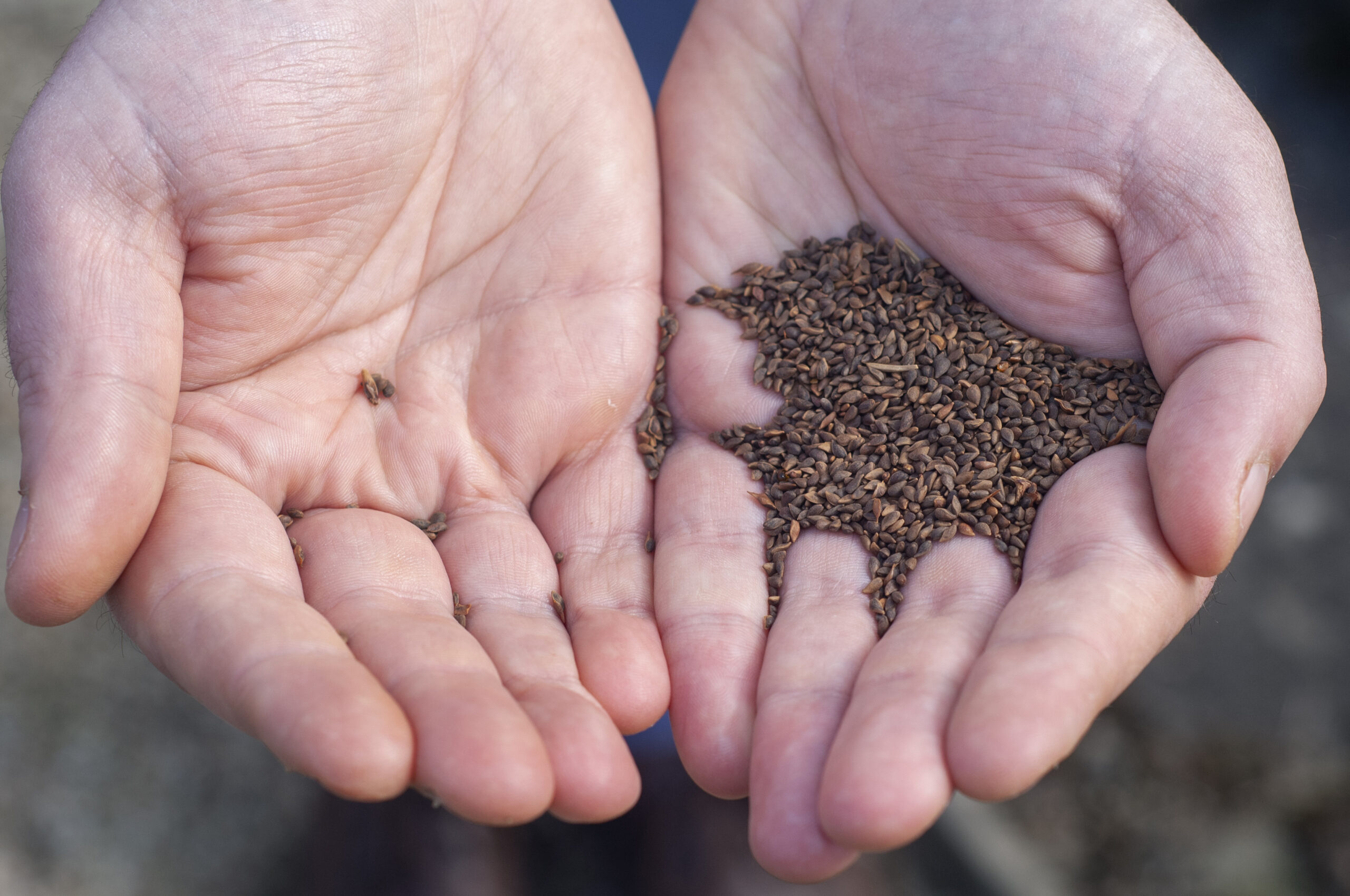
Title image: Crown Copyright. Forest Research
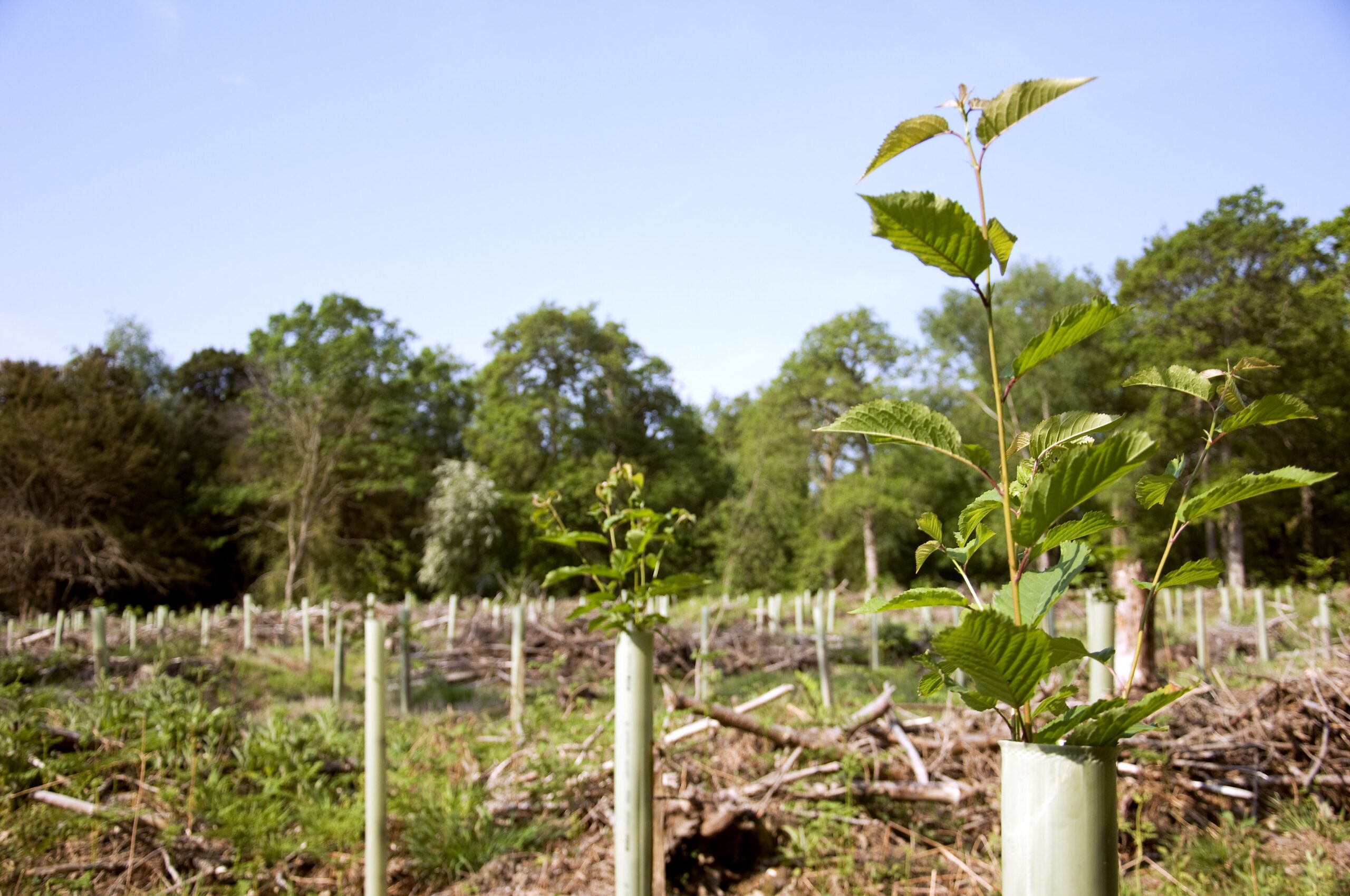
Body image: Crown Copyright. Forest Research
Glossary & Key Terms
Abiotic (stress)
(Stress caused by) physical, environmental and climatic factors.
Biotic (stress)
(Stress caused by) living organisms such as bacteria, viruses, fungi and insects.
Genetics
The study of how traits are passed from parents to offspring.
Genomics
The study of an organism’s complete set of DNA, including all of its genes.
Pathogen (& Pathogenicity)
An organism or agent that can cause disease. Pathogens include viruses, bacteria, fungi, and protists. They can infect a wide range of hosts, including plants and animals. Pathogenicity is the ability of a pathogen cause disease.
Pollen
A fine powder produced by plants that contains the male reproductive cells needed for fertilisation.
Propagule
Biological material such as a seed, spore, bud, or cutting, that becomes detached from a parent organism and functions in dispersal and the creation of a new individual.
Share this project on social media
Related Projects
Our partners




Social media
Explore
Newsletter
Contact us
© 2026 Centre for Forest Protection. All rights reserved.