
Infusing resilience into the Scots pine genetic resource
Project leads Dr Richard Whittet | Forest Research; Dr Annika Perry | UK Centre for Ecology and Hydrology
Lead organisation Forest Research
Project status Active
Project funding 25-26 £81,195
Research outcomes Reducing the risk | Adaptation | Recovery
Context
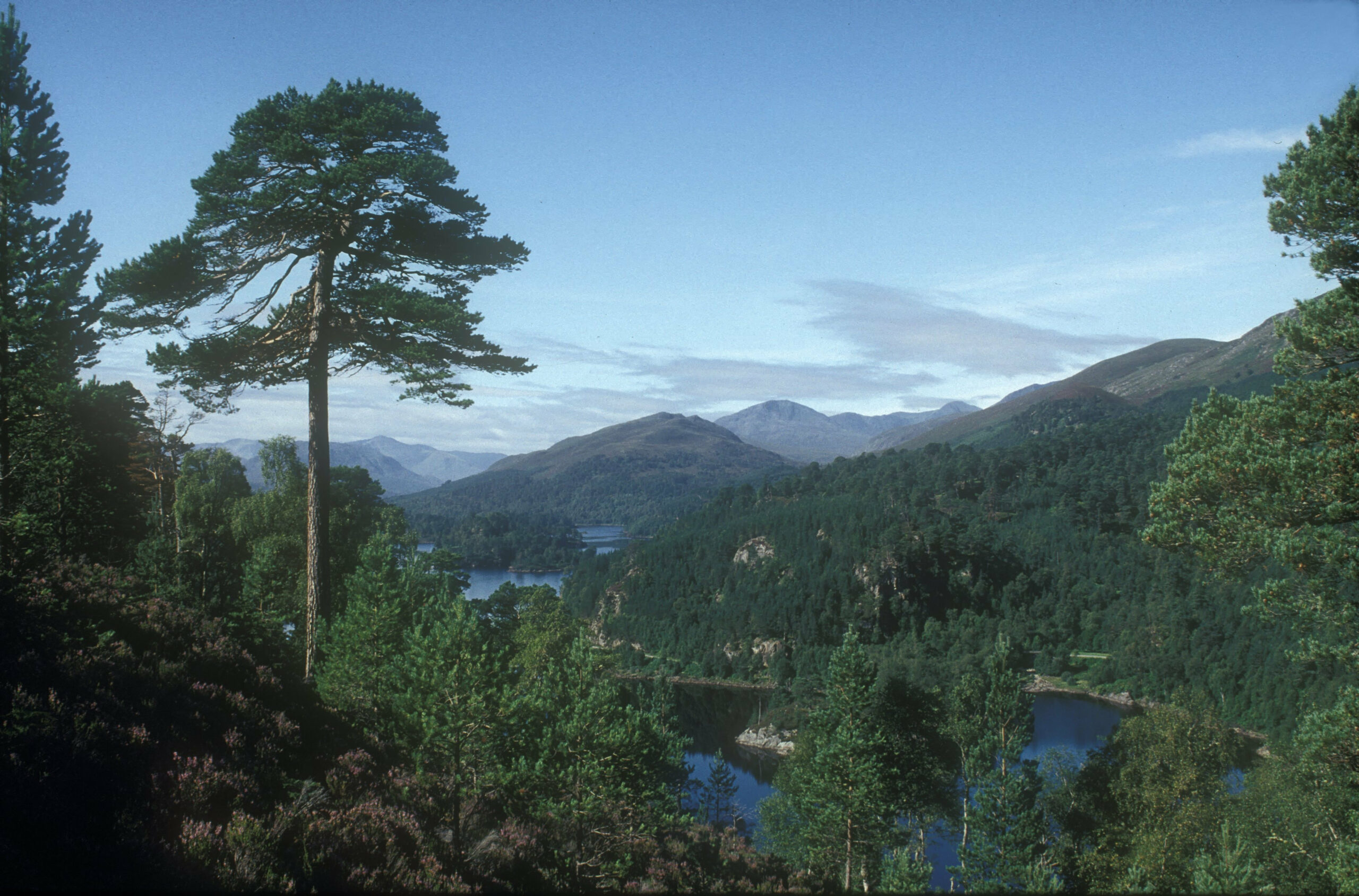
Forestry is seeking to develop secondary species to diversify the mix of species planted in British forests. Tree breeding can help to make the cost of diversification more bearable.
Scots pine (Pinus sylvestris) is a good candidate for tree breeding as there has already been a large breeding programme in the 20th century because:
- Demand for seedlings is large and growing.
- There is clear room for improvement.
- It has been shown to socially and economically justifiable.
We are reopening the national Scots pine breeding programme by bringing together multiple sources of material into a genetic field-testing campaign. We have updated our breeding objectives to include resilience to both biotic and abiotic stress.
Research aims and objectives
Aim:
Infuse resilience into the Scots pine genetic resource.
Objectives:
- Plant new Scots pine progeny trials in 2028 in up to five locations in GB
- Plant a new quality-assured breeding arboretum, to store DNA-verified selected parents
- Improve understanding of, and our ability to assess, Scots pine responses to Dothistroma needle blight (Dothistroma septosporum) by exploring how variation in needle morphology and spectral signatures relates to field observations
- Explore how Scots pine responds to compound stress e.g. drought and waterlogging (another of our projects is also looking into drought and waterlogging stress response, for more information see: Investigating Scots pine resilience).
Expected outcomes
- Up to five new Scots pine progeny trials.
- A quality-assured breeding arboretum containing verified copies of selected parents.
- New methods to use when assessing the trials in future.
Further resources linked to this project
CFP Phase 1 Project (2022-2025)
See previous research on this topic from CFP Phase 1 project: Infusing Dothistroma needle blight resilience into the Scots pine breeding population.
Blog: From Frosty Fields to Forest Resilience: Reviving the Scots Pine Breeding Programme (Published: 16 December 2025)
Blog: From Frosty Fields to Forest Resilience: Reviving the Scots Pine Breeding Programme.
Kirsten O’Sullivan, Forest Genetics Operations Manager at Forest Research and member of our Infusing Resilience into the Scots Pine Genetic Resource project team, takes us behind the scenes of the team’s recent trip to the Borders. Their mission? Collecting pine cones for vital genetic research.
Intern Diary: Jessica - 2025/26 (Published: 03 June 2026)
Blog: Intern diary: Jessica on restarting the Scots pine breeding programme
Jessica’s internship focused on digitising files from past experiments, extracting 21,000 seeds from pinecones, preparing 36,000 seeds for sowing using cold stratification, and learning to use different software to analyse old Scots pine progeny trials.
Blog: From cones to canopy: Reviving Scots pine for the future (Published: 17 July 2026)
Blog: From cones to canopy: Reviving Scots pine for the future.
Jessica Vallance, former CFP intern, and Tree Breeding Research Assistant in our Infusing Resilience into the Scots Pine Genetic Resource project gives us an exciting update on the team’s seed extractions work as part of the preparation for reopening the Scots pine breeding programme!
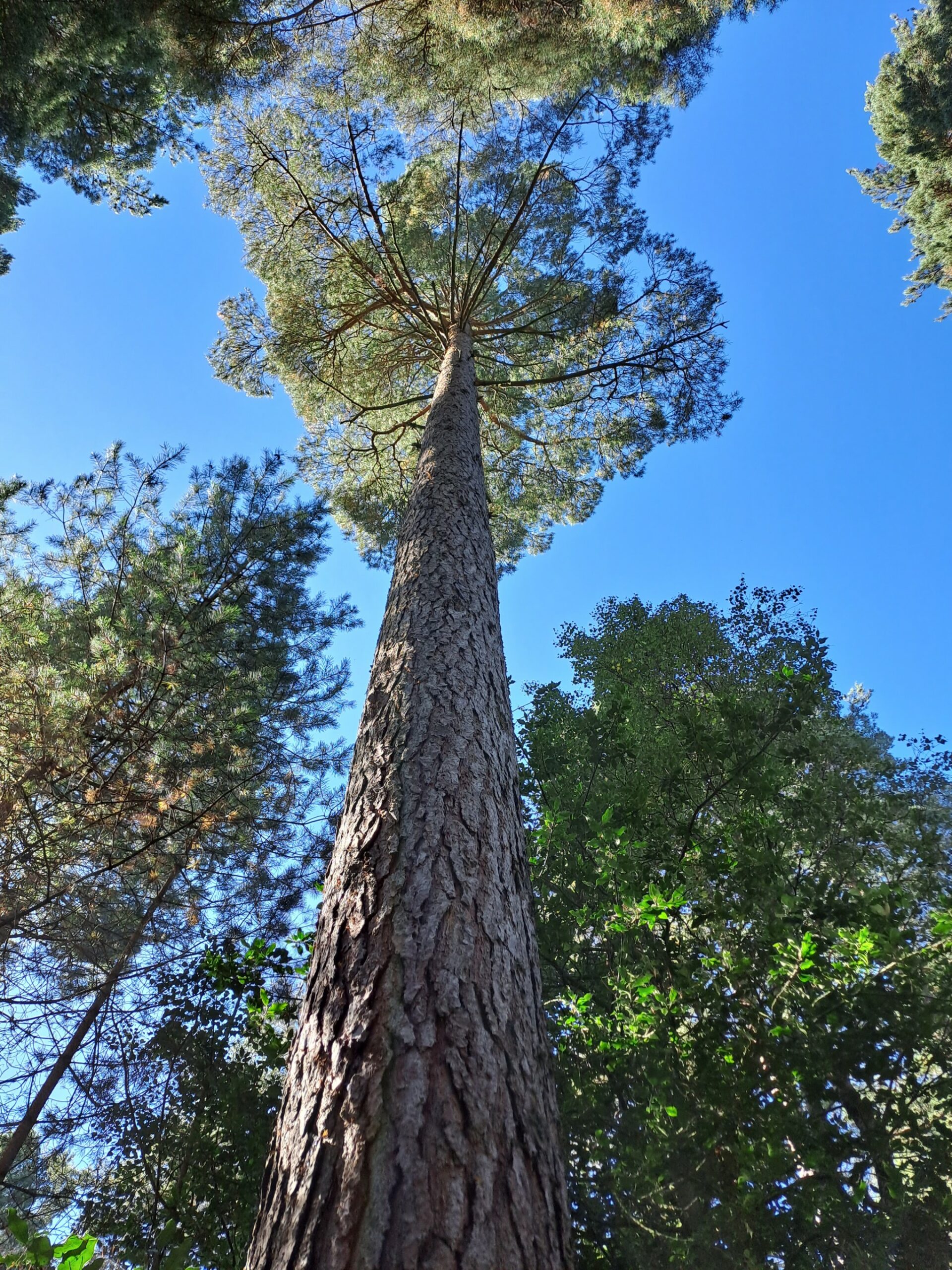
Title image: Crown Copyright. Forest Research – George Gate
Body image: Crown Copyright. Forest Research – Dr Richard Whittet
Glossary & Key Terms
Abiotic (stress)
(Stress caused by) physical, environmental and climatic factors.
Biotic (stress)
(Stress caused by) living organisms such as bacteria, viruses, fungi and insects.
Dothistroma needle blight (Dothistroma septosporum)
A fungal disease of conifer trees, especially pines (Pinus species), that causes red bands on needles, premature needle loss, reduced growth, and in severe cases can lead to tree death. It is caused by the fungus Dothistroma septosporum which is present in the UK. For more information, see Dothistroma needle blight (Dothistroma septosporum) - Forest Research.
Genetic
Refers to genes - the segments of DNA that contain instructions for how living things grow and function.
Needle morphology
The physical characteristics and structural traits of tree needles, such as their length, width, shape, and surface features, which may influence the tree's resilience to environmental stressors and diseases.
Progeny
A descendent or offspring.
Scots pine (Pinus sylvestris)
Fast‑growing evergreen conifer trees of the genus Pinus, native to Scotland and widely planted across Britain, recognised for their tolerance of dry, poor soils, light‑demanding pioneer nature, and important role in timber production and ecologically significant pinewood habitats. For more information, see Scots pine (SP) - Forest Research.
Spectral signatures
The unique patterns of electromagnetic radiation (light) that an object or material reflects or emits across different wavelengths.
Share this project on social media
Related Projects
Our partners




Social media
Explore
Newsletter
Contact us
© 2026 Centre for Forest Protection. All rights reserved.